1. Safety and scope
The team explains what it can handle and which parts, like testing a site where drugs were made, need a different plan.
St. Peter, MN · Nicollet County
How do you clean a space after drug use in St. Peter? Call (877) 812-4220 to talk about removing sharps, clearing contaminated soft materials and disinfecting surfaces.
If anyone is in danger, call 911 first. For a suicide crisis, call or text 988.
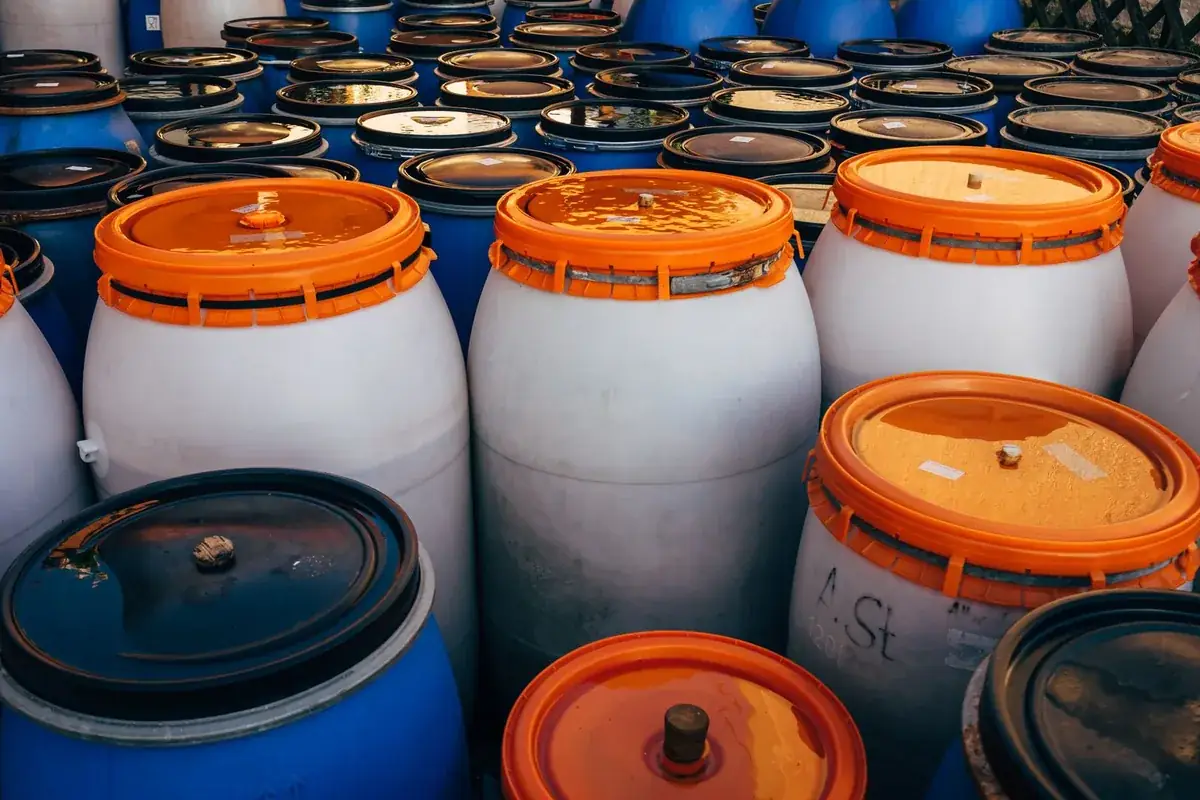
Drug use cleanup is different from drug lab cleanup. It focuses on items and residue left by use, while a site where drugs were made has its own testing and clearance steps.
After a tenant leaves, you may find needles, residue or stained rooms in your St. Peter property. Call St. Peter Biohazard Cleanup Help for a team that collects sharps safely, removes soiled materials and cleans the unit, anywhere in Nicollet County.
Renters make up about 35% of households in St. Peter, so landlords often need paraphernalia cleared between tenants. Emergency care for people in St. Peter is available at River's Edge Hospital & Clinic in St Peter. Cleanup can wait until everyone is safe.
What drug paraphernalia cleanup covers:
The team explains what it can handle and which parts, like testing a site where drugs were made, need a different plan.
Sharps come first, then bags, foil, containers and stained linens. Each is sorted into the right container.
Floors, furniture and fixtures are cleaned. Porous materials that hold residue are cut out or removed.
Sealed waste is hauled for proper disposal, and a record is available for the owner on request.
The cost of drug paraphernalia cleanup in St. Peter, MN depends on the amount of material, how it is packed and how it is hauled.
Access and travel matter. A unit with stairs, locked areas or a long drive takes more time to serve.
| Type of job | Typical range |
|---|
Estimates only, not a quote. Sources: . Price drivers include amount of material, whether residue is present, surfaces affected, waste disposal. Call (877) 812-4220 to talk through the job.
A careful cleanup removes the items and cleans the surfaces it covers. Testing is a separate step, and rules vary by place. Ask the team what it did and did not check, and ask the local health department what applies where you live.
The price depends on the number of rooms and items, how much soft material must go, odor treatment, travel and access. A cleanup team can give a real price after hearing the details and should explain what is included before work begins.
Keep them out of affected rooms until a cleanup team has finished. Children and pets are closest to floors and furniture and are most at risk from residue. If a child or pet touches or swallows something, call Poison Control or a veterinarian.
A single room can be cleared quickly, while a house with hidden items, soiled carpet and odor takes longer. The time depends on the amount of material and access. A team can give a realistic idea after hearing the details.
Sometimes. Some homeowners and renters policies cover cleanup after a covered event, and some limit or exclude claims tied to illegal activity. Check your policy, call your insurance company before work starts, take photos if you can, and keep every receipt.
The owner of the property usually pays at first. Lease terms and local law decide who is responsible in the end. A landlord, an attorney or a tenant rights group can say. Keep any record the cleanup team gives you, since a landlord or insurer may ask for it.
Stay out of the space and let a cleanup team handle it.
Call (877) 812-4220